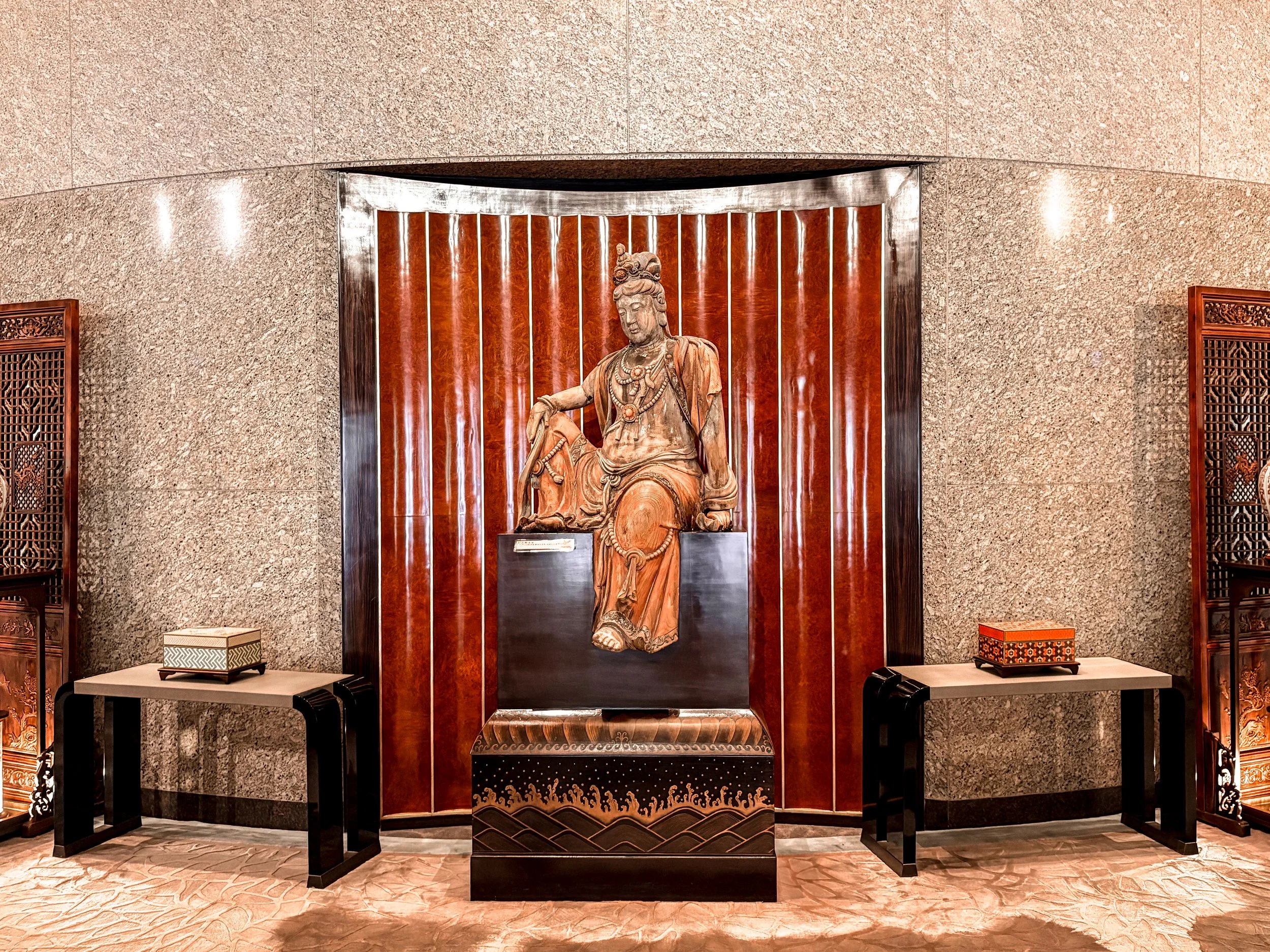
Some hotels announce themselves through scale. Shangri-La Far Eastern, Taipei does it through altitude — forty-three stories rising above Da'an, the city's most sophisticated district, with a view that quietly steals every conversation in the room. But what stays with you long after the elevator stops is something smaller and harder to engineer: the genuine warmth of the people who run it. In a category where service is often learned, here it feels lived.
A Welcome That Feels Lived, Not Learned
There's a moment that defines this hotel, and it happens before you've even crossed the threshold. The cab pulls into the driveway, butlers move quickly and quietly to handle your luggage, the door opens for you — and from that point forward, every interaction carries the same temperature. Warm, attentive, real.
This matters more than it should have to. In luxury hospitality, service standards are often immaculate but surface-level — a polished script performed flawlessly. The team at Shangri-La Far Eastern operates differently. Requests are met with genuine care, local recommendations come with the texture of someone who actually lives in Taipei, logistical curveballs are absorbed without the slightest flinch. It's the kind of service that doesn't perform luxury — it embodies it.
The hotel itself is woven into the city's infrastructure in a way that makes practical sense for the modern traveller. It is directly connected to a mall, which means if you choose not to leave the building for a full day, you genuinely don't have to. Two MRT stations sit within walking distance, the financial district is five minutes away, and the Linjiang Street Night Market — fifteen minutes on foot — offers the kind of unfiltered local food culture that defines Taipei.




A Room With a View, and the View Becomes the Room
The rooms are spacious, but spaciousness is not the headline here. The headline is the light.
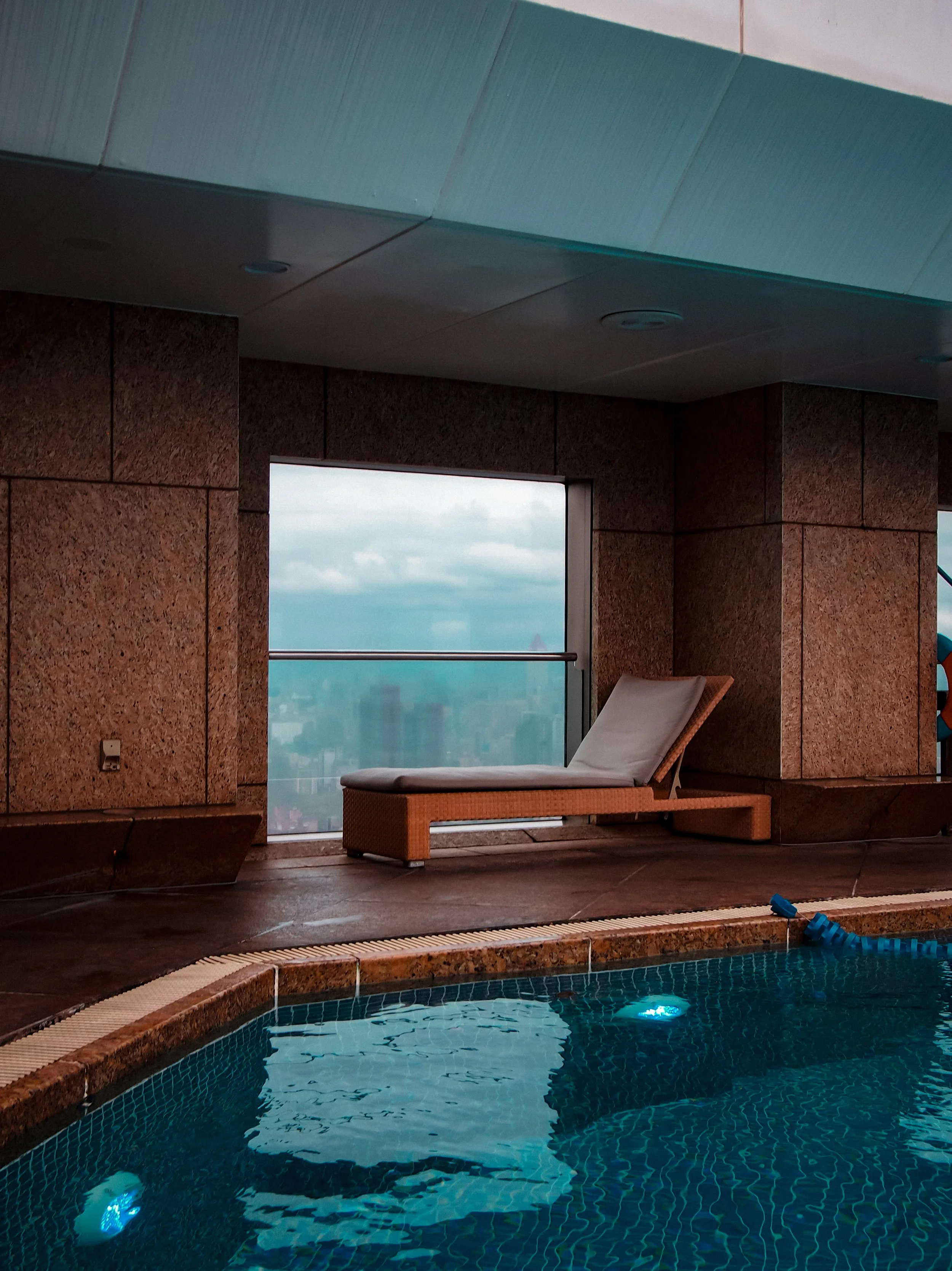
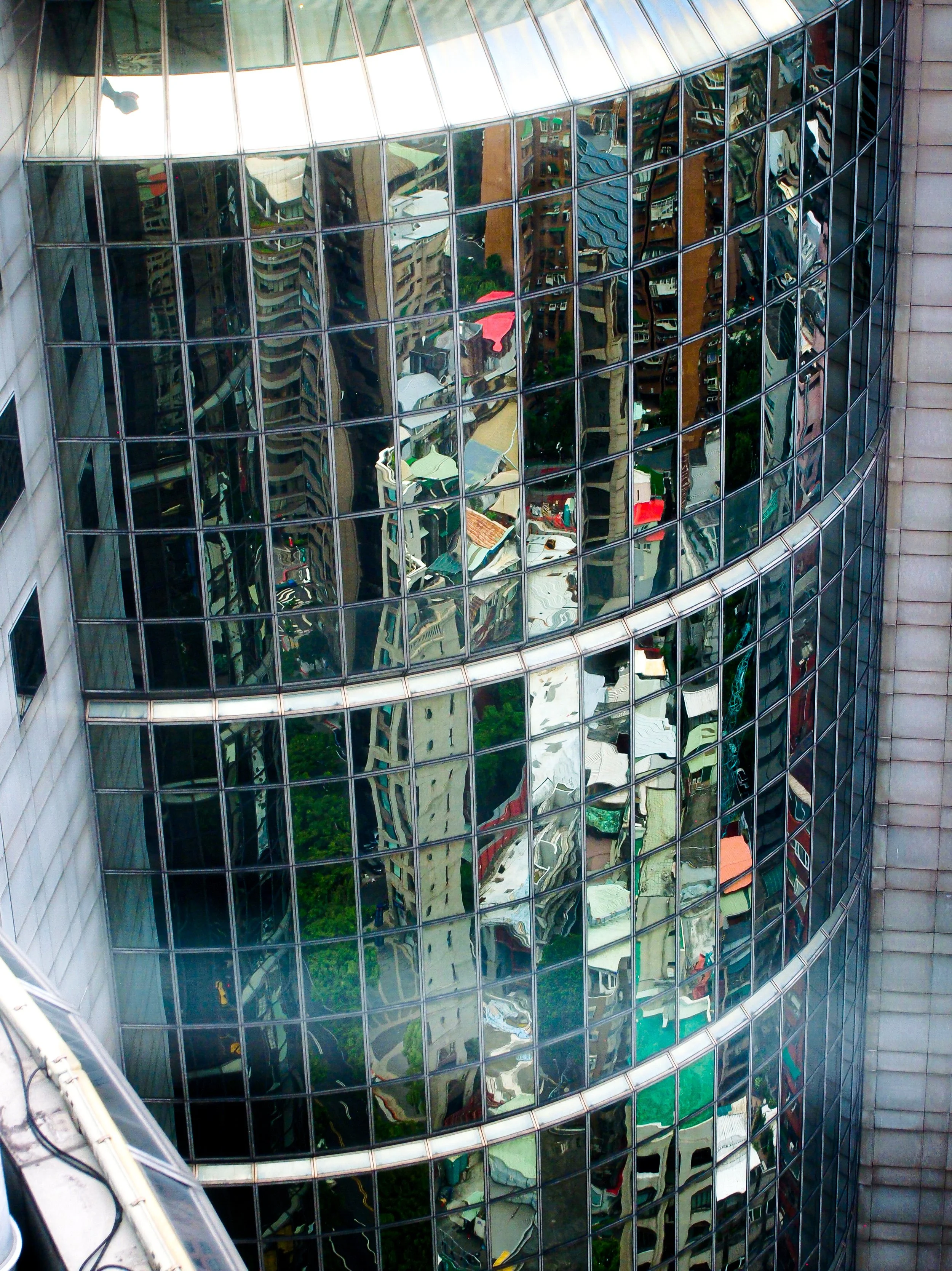
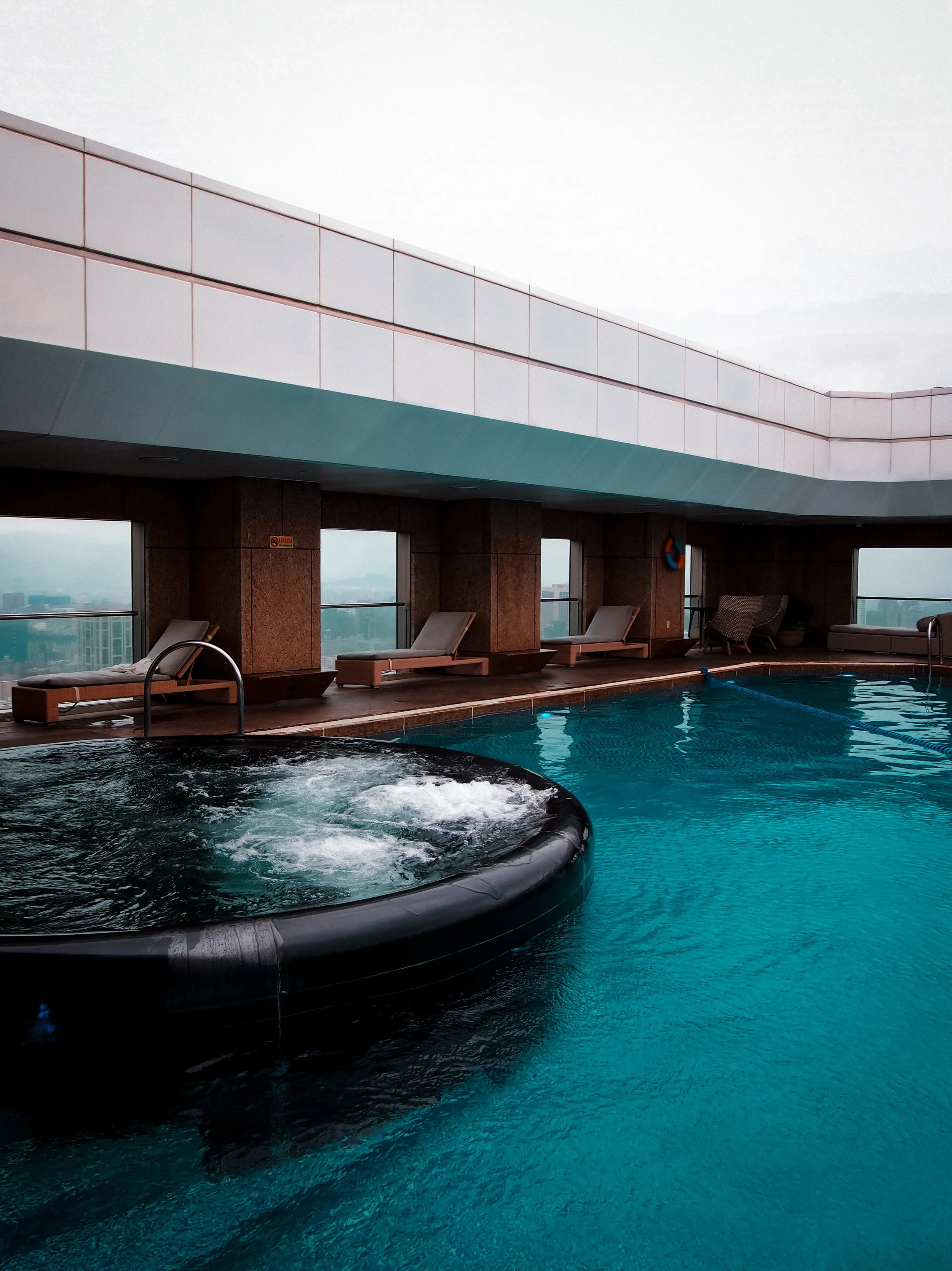
High ceilings, oversized windows, and a building that climbs above almost everything around it combine into rooms that feel almost weightless — as though you are floating just above the city rather than staying in it. By morning, the sun rises over the mountains that frame Taipei's eastern edge. By night, the city becomes a quiet constellation beneath your floor. You are inside the city and above it at once: close enough to feel the energy, far enough to feel completely held.
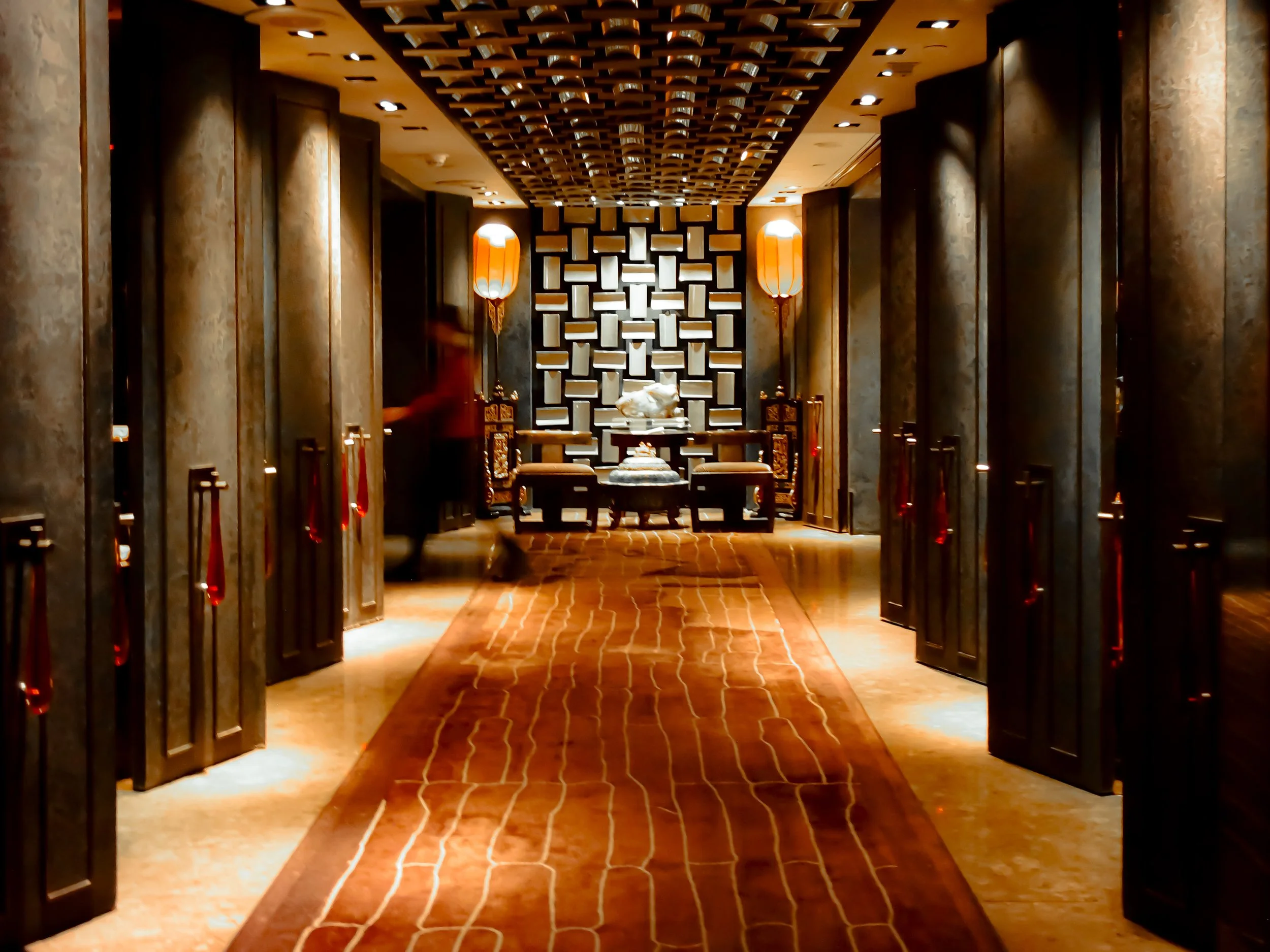
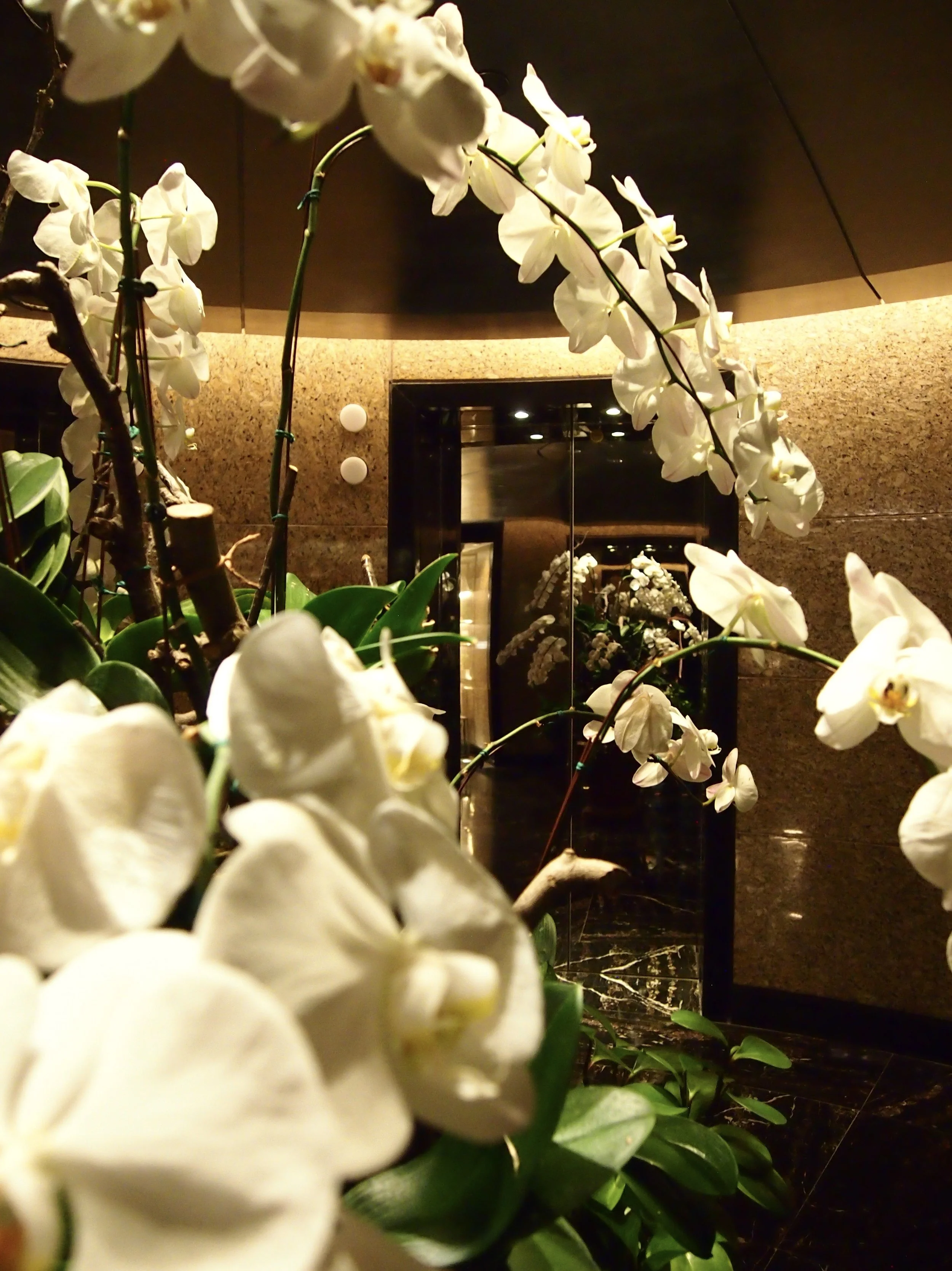
The interiors carry the Shangri-La signature with confidence — heavy timbers, considered silhouettes, the kind of furniture and finishes that feel built rather than styled. The bathrooms, clad in deep red marble, lean into glamour without tipping into theatre. The whole effect is calm, rooted, and quietly luxurious. The Song Dynasty inspiration that runs through the building's design language gives it a sense of heritage that doesn't feel imposed — it feels native to the building itself.
This is what old money design looks like when it's done well: prestige without performance, heritage without nostalgia, and an absolute confidence that the view is the only thing that needs to do the talking.


ibuki: When the Design Language Shifts to Japan
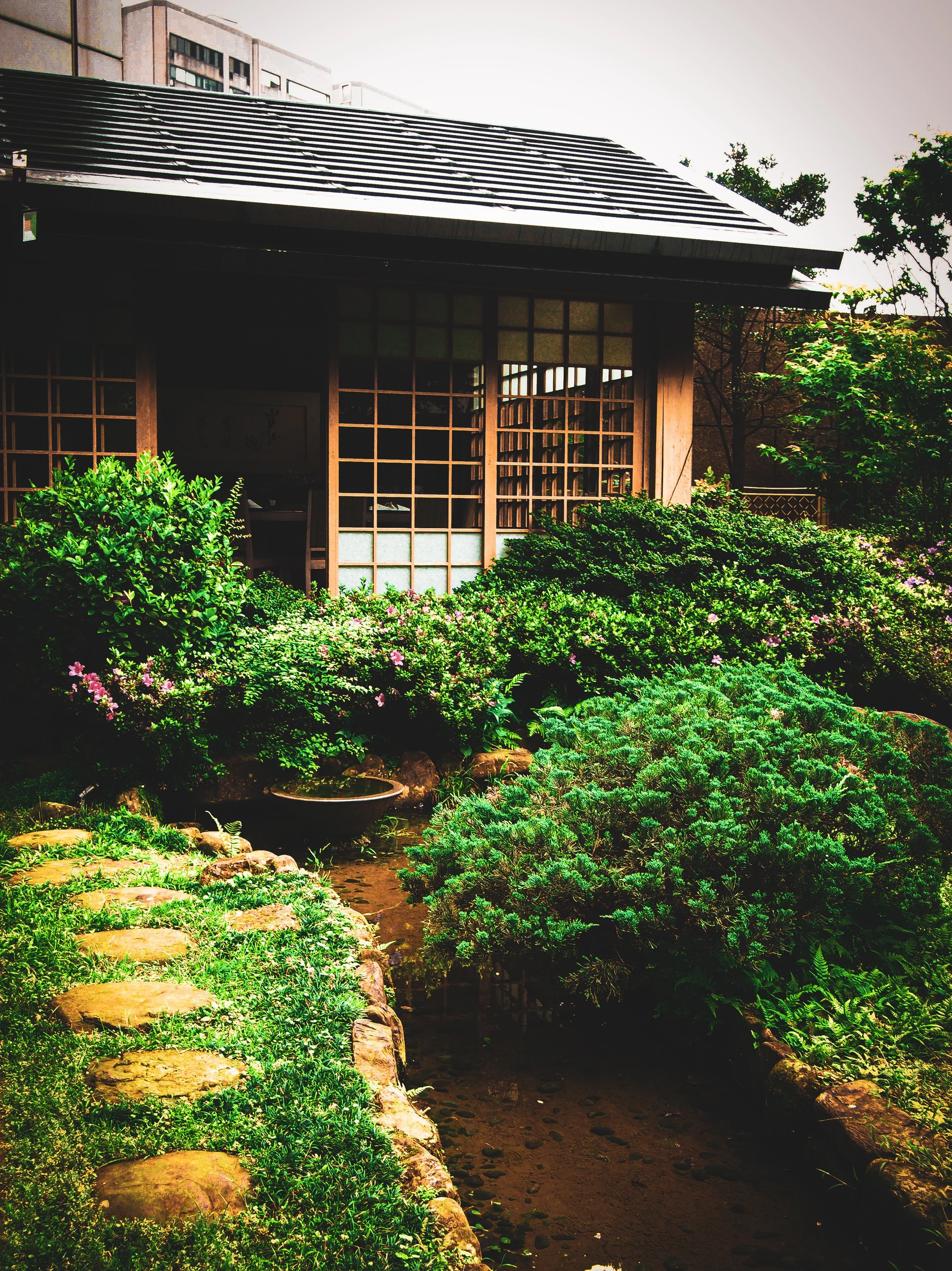
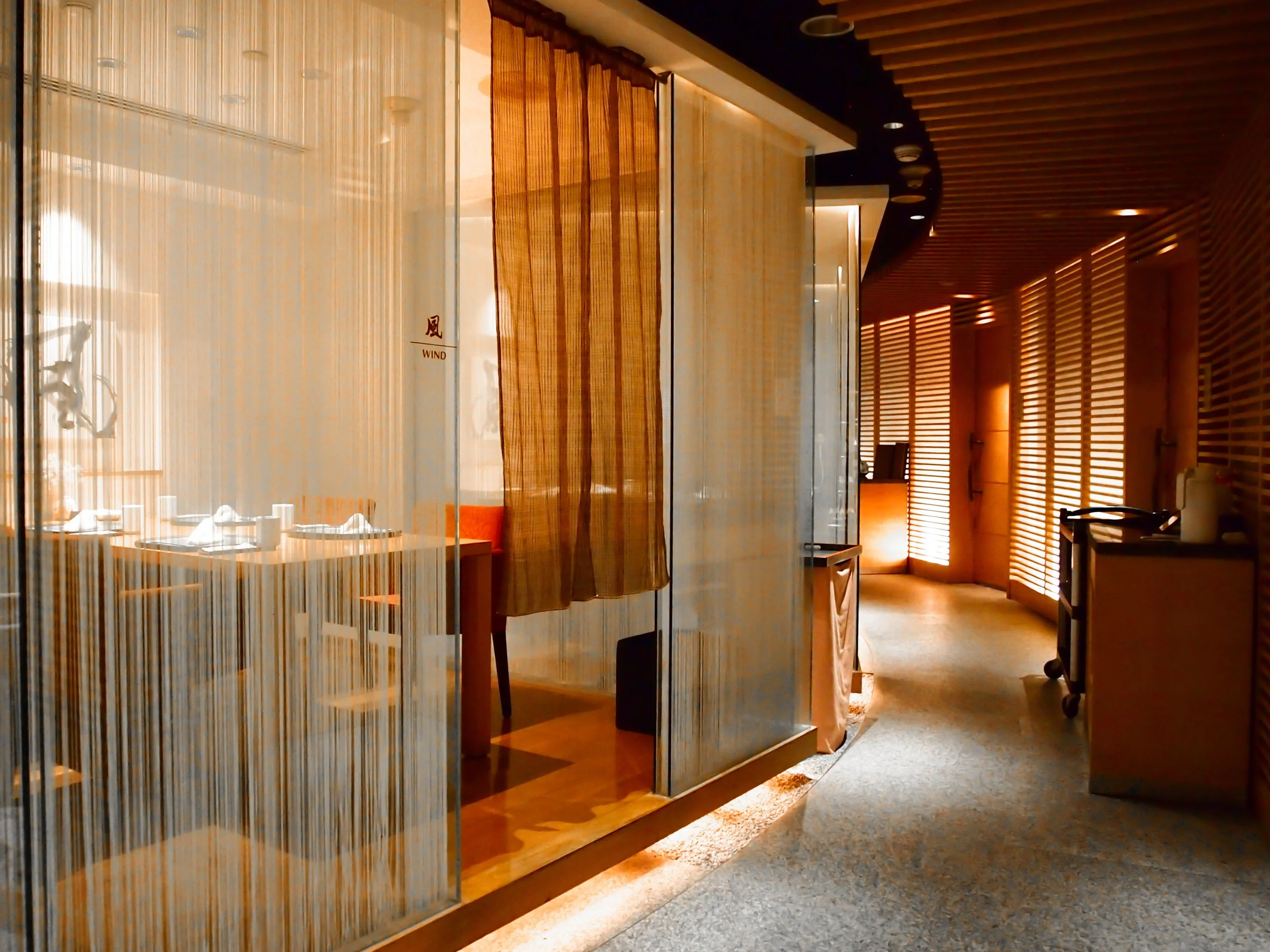
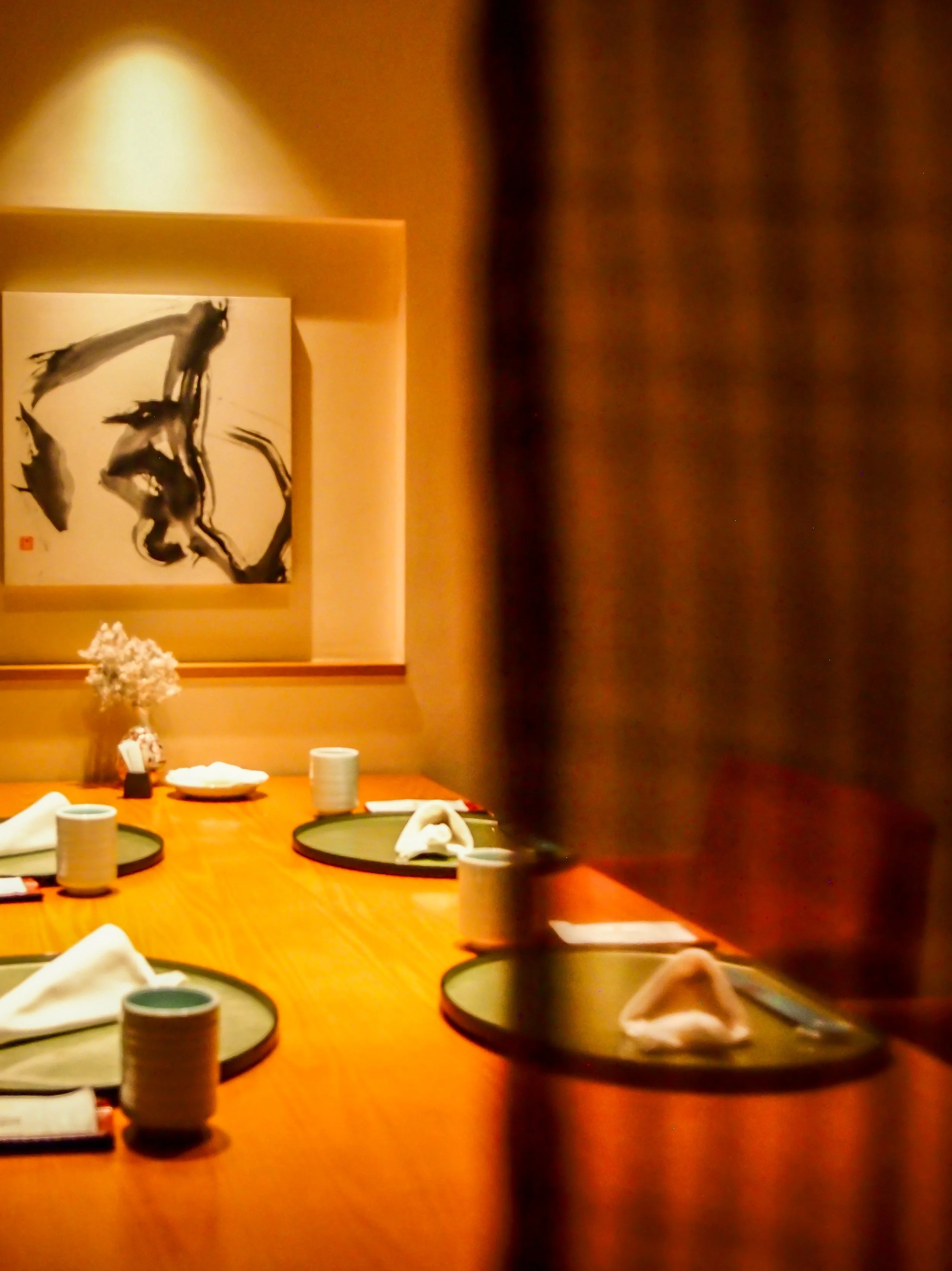
One of the most interesting architectural moves in this hotel happens on the seventh floor. Step inside ibuki — the hotel's Japanese restaurant — and the entire design vocabulary changes. The heavy Song Dynasty references give way to clean lines, soft timber, the considered restraint of Japanese modernism. The shift is deliberate, and it works.
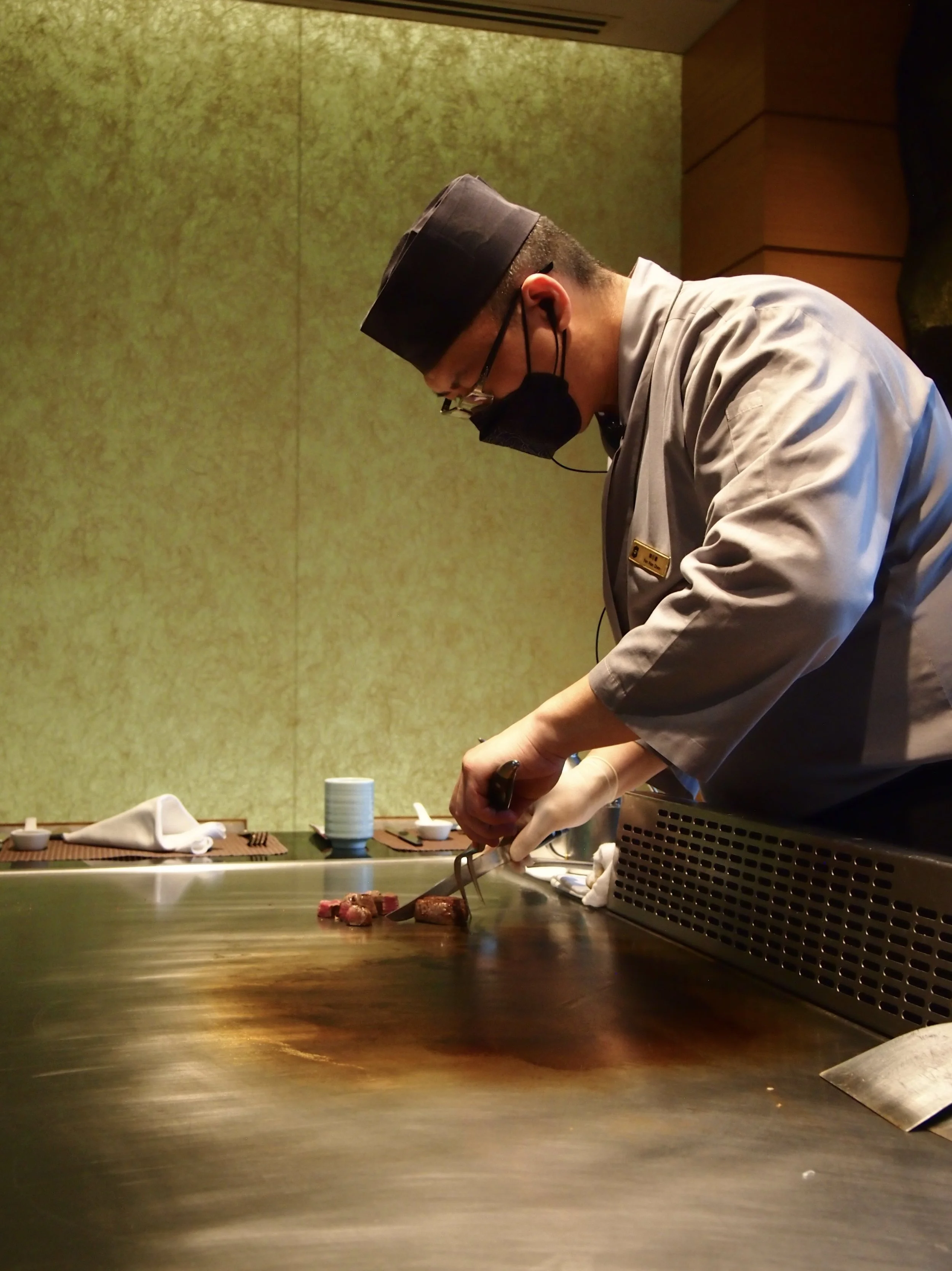
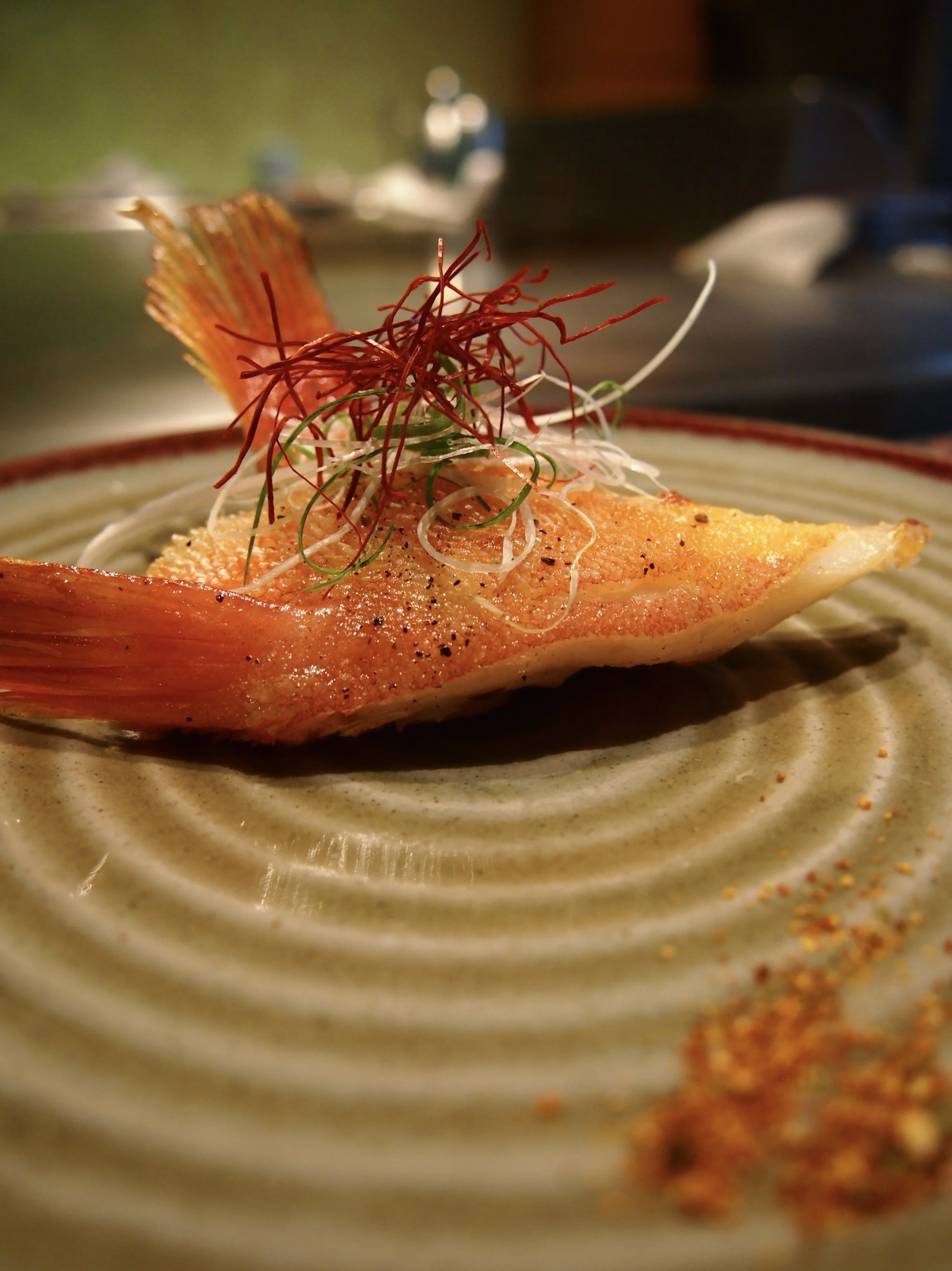
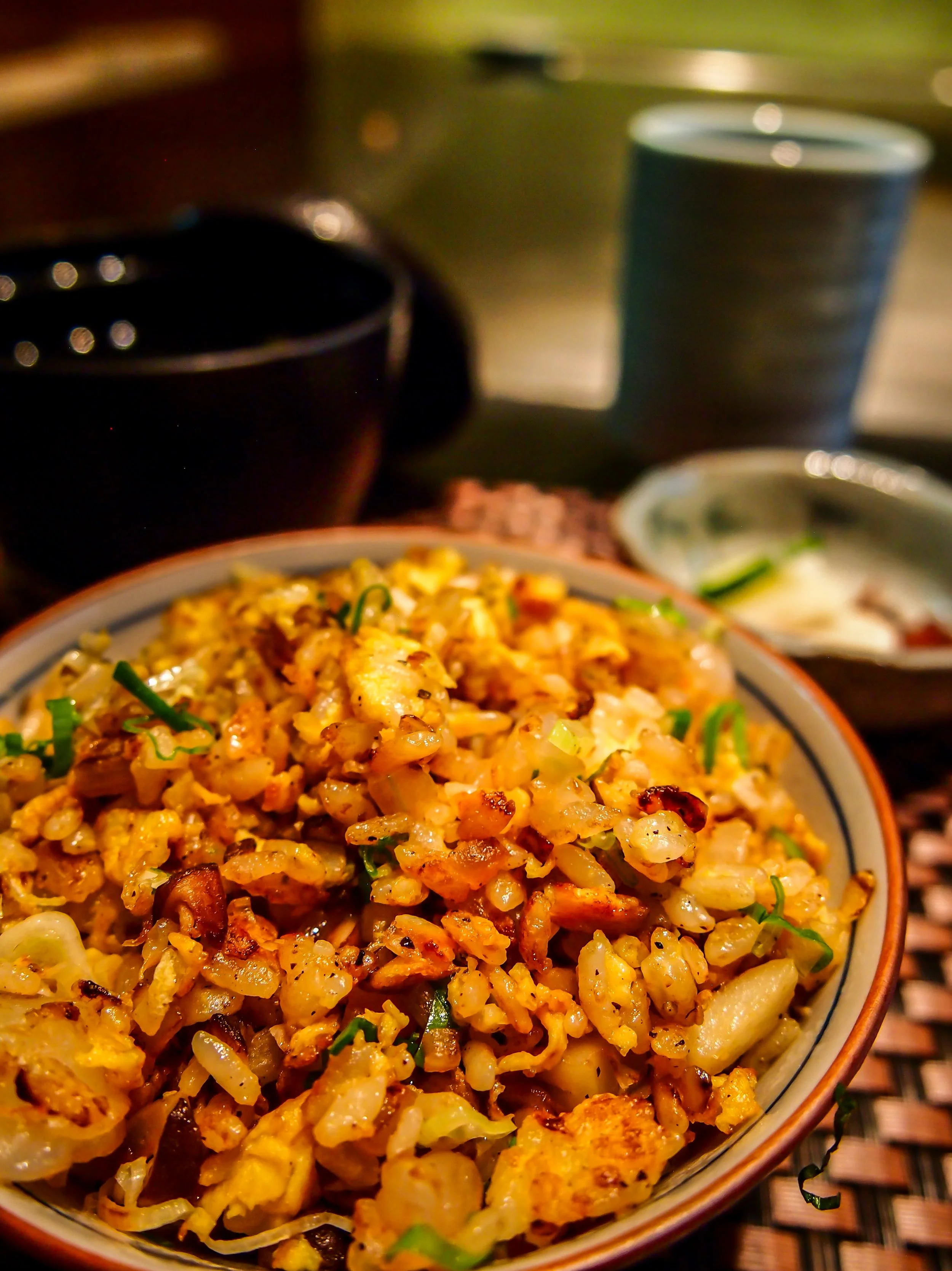
The Teppanyaki lunch set is the experience worth booking. Sitting at the counter, watching the chef work the steel surface in front of you, the meal becomes theatre — the sound of the blade against the plate, the scent of seared garlic and beef, the precise choreography of someone who has done this thousands of times and still cares about each plate. For more intimate occasions, private dining rooms overlook the Japanese garden; the open-concept seating brings the skyline back into the meal.
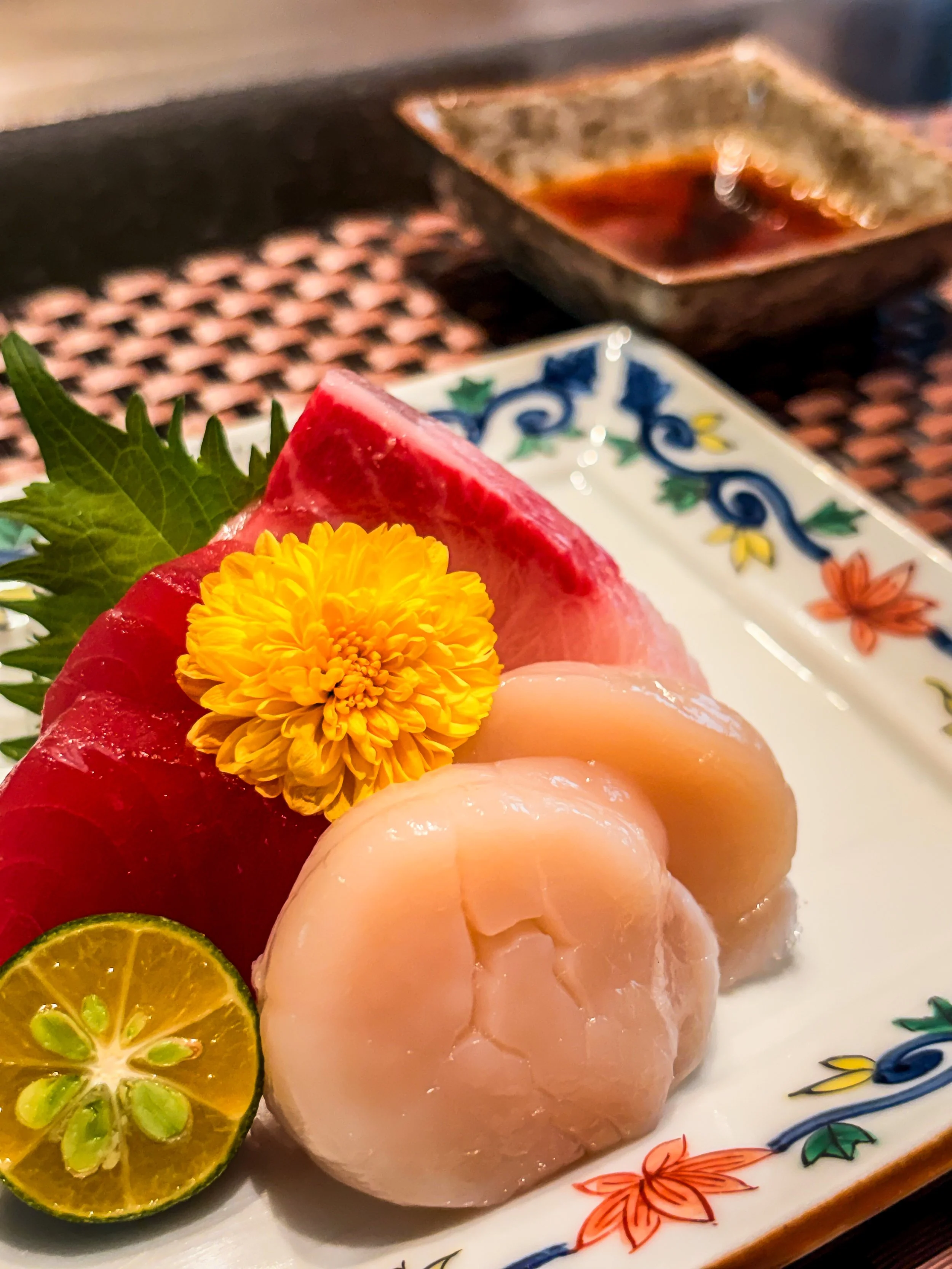
Beyond ibuki, the hotel's culinary offering is genuinely deep: Shanghai Pavilion on the 39th floor for Shanghainese, Taiwanese, and Sichuan specialties; Marco Polo on the 38th for modern Italian under chef Lance Lin; Shang Palace for Cantonese (recognised by the MICHELIN Guide for five consecutive years); and Café at Far Eastern, a buffet that has been thoroughly reimagined into twelve themed gourmet zones. Marco Polo Lounge — perched at the 38th-floor window line with a direct sightline to Taipei 101 — is one of the city's most photogenic places for an evening cocktail.




The Ultimate Taipei Skyline Retreat
In the end, Shangri-La Far Eastern, Taipei is what a grande dame hotel should be when it's done right: confident in its heritage, generous with its views, and run by people who clearly love what they do. It is perfect for travellers who want to feel the pulse of one of Asia's most underrated cities while staying somewhere that takes care of the smallest details — the warm welcome, the quiet hallway, the morning light filling the room, the second cup of tea no one had to ask for.
For business travellers, families, romantic getaways, or solo creatives looking for a base that feels both rooted and elevated, this is the address. The mountains stay where they are. Taipei stays where it is. And somewhere in between — high above it all — Shangri-La quietly does what it has always done best.